Robinia pseudoacacia
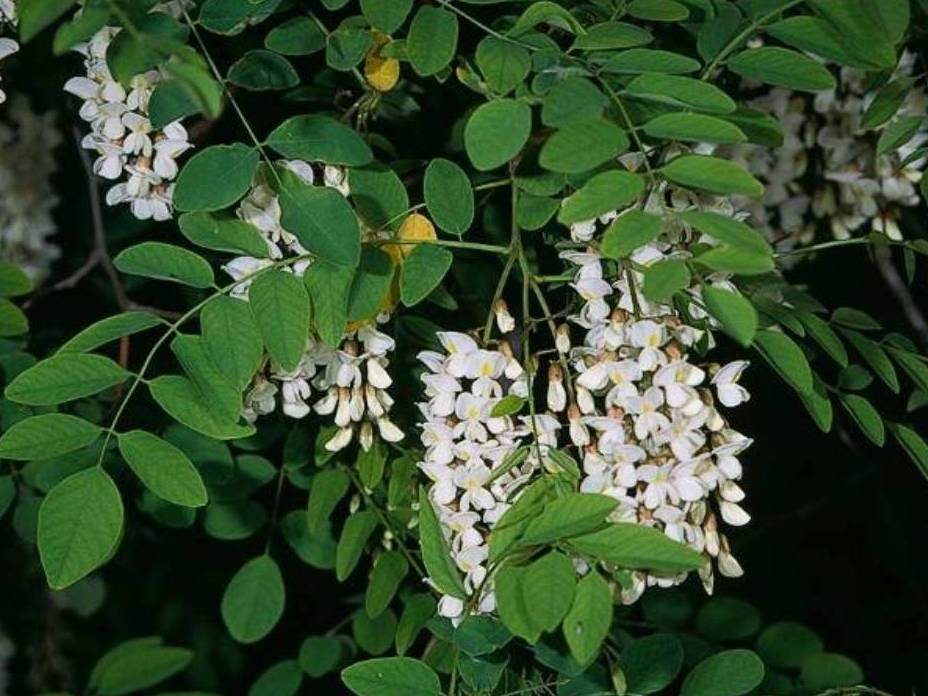
Common names: black locust
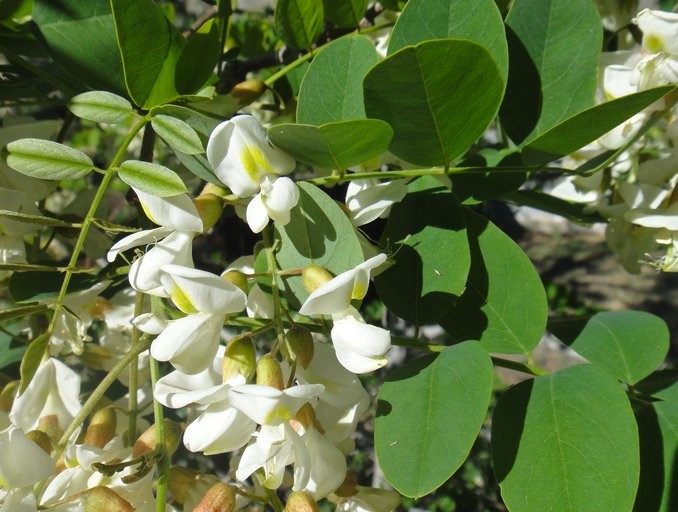
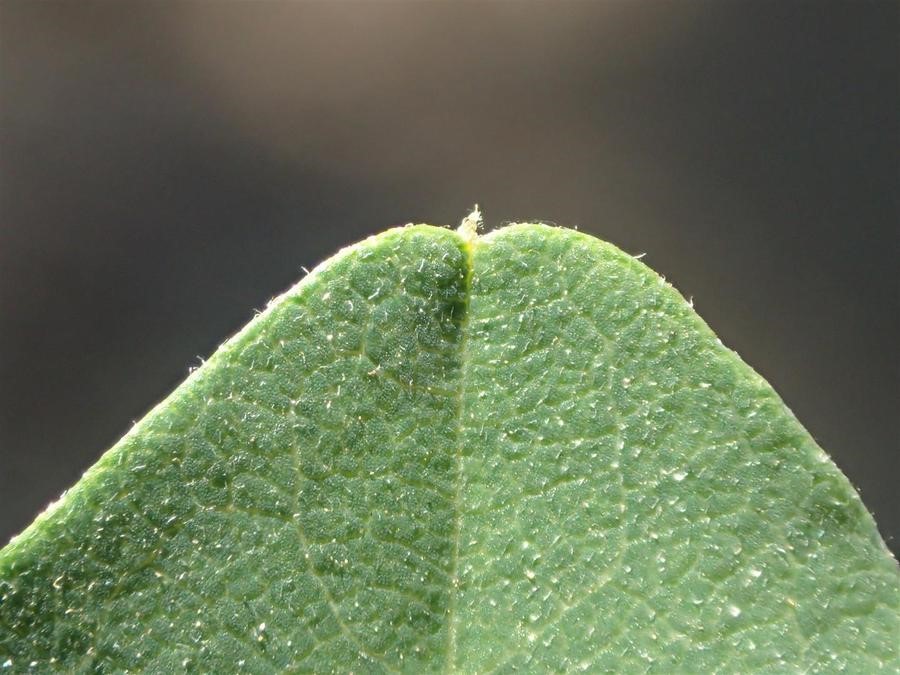
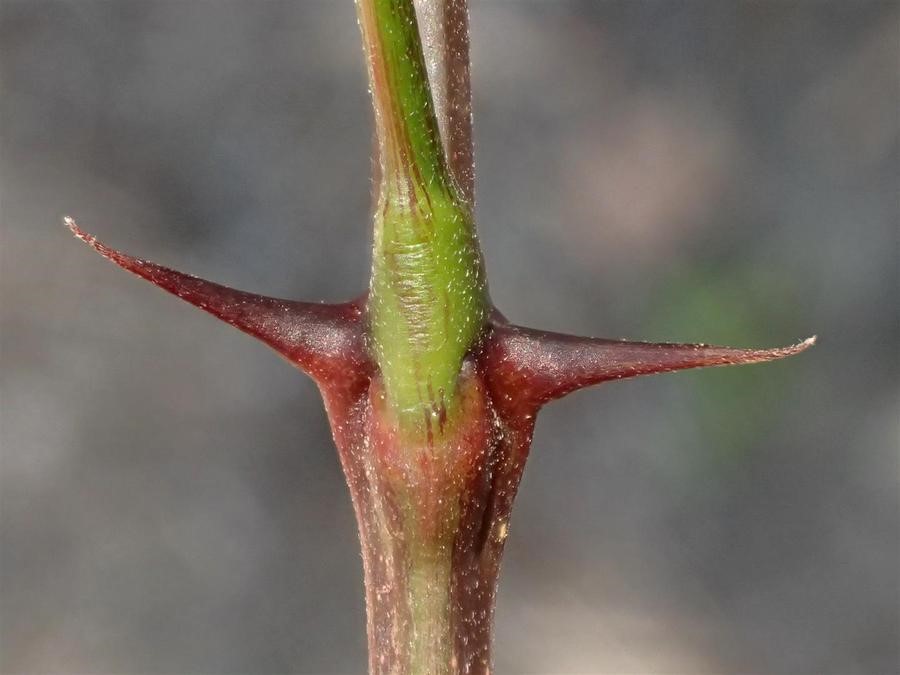
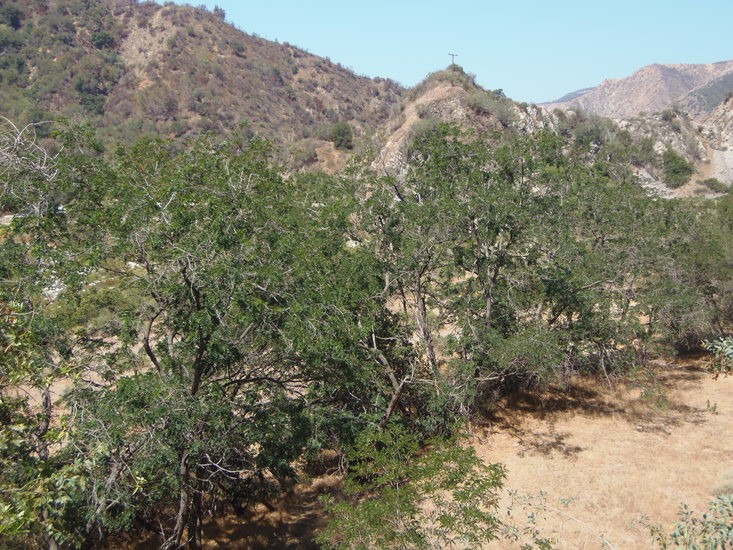
Robinia pseudoacacia (black locust) is a deciduous tree (family Fabaceae) that grows to 100 feet tall. Historically planted as a landscape tree, black locust has escaped cultivation and become invasive in California and elsewhere. It can grow on a wide range of sites, but grows best on rich, moist, limestone-derived soils. It does not do well on heavy or poorly drained soils, although it appears to be tolerant of some flooding. Through root sprouts and seedling establishment, black locust creates large stands that displace native vegetation. Its seeds, leaves, and bark are toxic to humans and livestock.
Cal-IPC Rating: Limited?CDFA Rating: None?
Assessment(s)
Robinia pseudoacacia Plant Assessment Form - Information gathered by Cal-IPC on the impacts, rate of spread, and distribution of invasive plants in California. Does not include management information.
Weed Management Notes
- Management Notes - Information on management techniques and effectiveness from the University of California Cooperative Extension's Weed Research & Information Center.
Cal-IPC Newsletter Articles
- Don’t sell a pest: A new partnership to prevent plant invasions through horticulture. Connick, Sarah; Gerel, Mike. Vol 13, Issue 2
Cal-IPC Symposium Presentations
Presentations are linked where available. Where a presentation is not available, find more information by reading the abstract in the Cal-IPC Symposia Archive.
- Partnering to prevent invasions of plants of horticultural origin. Connick, Sarah; Gerel, Mike (2004)
- The abundance and distribution of non-native woody species in Sacramento Valley riparian zones. Hunter, John C.; Sterling, John C.; Widdowson, William P.; Beedy, Edward C.; Stralberg, Diana; Nur, Nadav (2003)
- What traits distinguish invasive plants from non-invasive plants? Reichard, Sarah Hayden (1996)
Other Robinia pseudoacacia Information
- Bugwood - National database from the Center for Invasive Species and Ecosystem Health at the University of Georgia.
- CalPhotos - Images of plants taken mostly in California.
- Calflora - Distribution map and records of this species in California.
- CalWeedMapper - Distribution map of this species in California with ability to determine regional priorities.
- EDDMapS - Distribution of this species in North America.
- Jepson Interchange - Information on this plant's taxonomy, biology, and distribution from UC Berkeley's Jepson Herbarium.
- USDA PLANTS Database - Information on identification and distribution, with links to websites in individual states.
Additional photos